

Blog
The Best Places for Gold Prospecting: A Comprehensive Geographical Guide
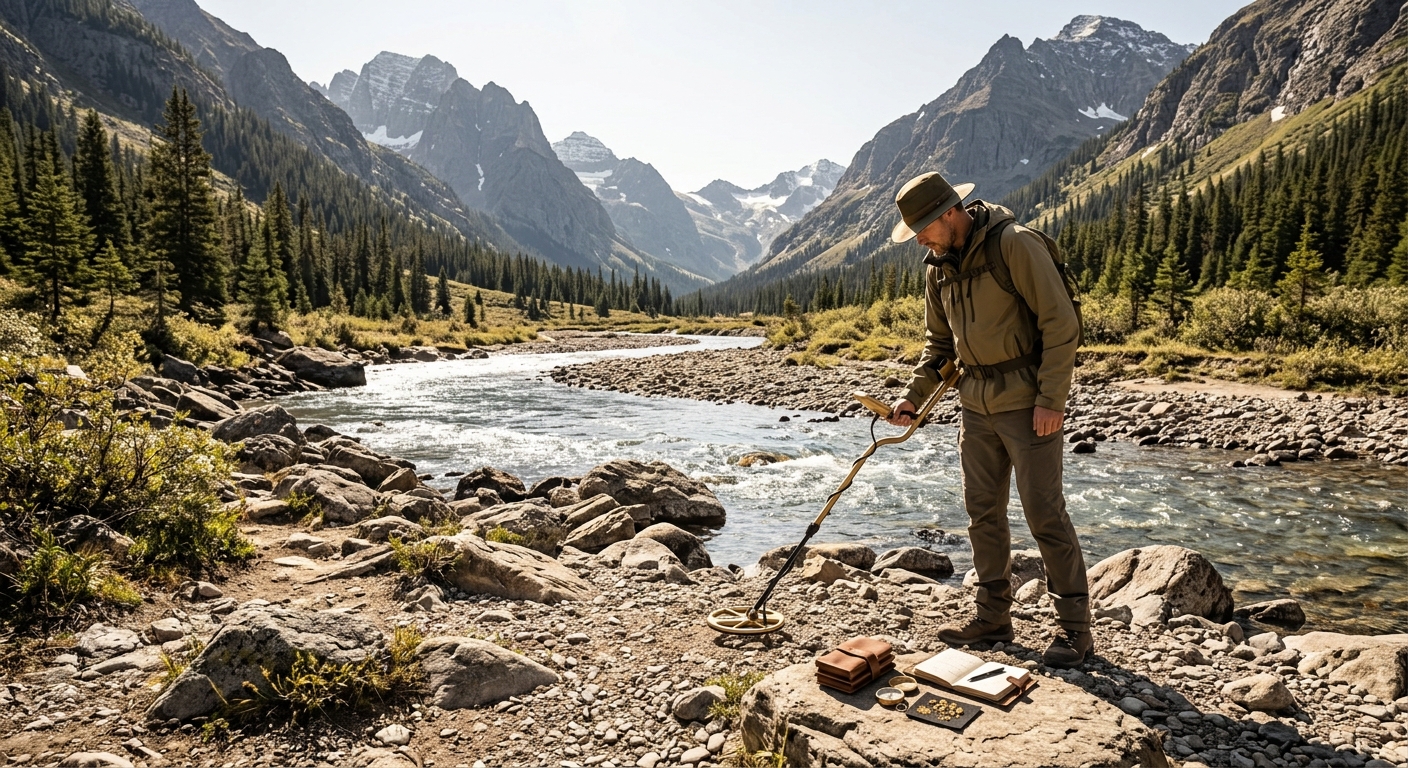
Gold prospecting is an exciting adventure, but success depends far more on where you search than on luck. If you own a gold detector, choosing the right location is the most important decision you will make. In this guide we outline the best geographical areas for gold prospecting, explain why gold collects there and share tips to search each location effectively and legally.
How Gold Ends Up Where It Is
Most gold forms in veins inside hard rock. Over thousands of years, weathering and erosion release gold particles, and water carries them downhill. Because gold is very heavy, it settles quickly wherever water slows down. Understanding this process helps you predict where gold collects. Geological surveys like the USGS and national geological services publish maps of known gold-bearing regions.
The Best Places for Gold Prospecting
1. Rivers and Waterways
Rivers are a favourite of prospectors. Gold settles where running water slows: on the inside of river bends, behind large boulders, in bedrock cracks and at the heads of gravel bars. Sweep your detector along riverbanks and dry creek beds to locate natural gold deposits.
2. Ancient Mountain Regions
Old mountain ranges often contain the original gold-bearing rock. Ancient river systems transported gold particles into lower valleys over time. Search rocky slopes, weathered outcrops and the gullies below them.
3. Deserts and Sandy Terrain
Although deserts lack flowing water today, many were shaped by ancient rivers and flash floods. Wind removes light material and leaves heavy gold concentrated close to the surface in specific pockets, which makes deserts productive for detecting.
4. Old Mining Areas and Tailings
Historic miners worked without modern detectors and often missed nuggets. Old workings and tailing piles in known goldfields can still produce gold – but check that the area is not an active mining claim.
5. Historical and Heritage Sites
Gold prospecting is not limited to natural gold. Historical locations can yield gold coins, jewellery and artifacts. These sites are often protected by law, so you must always obtain permission first.
Tips for Successful Gold Prospecting
- Research first: study geological maps, historical mining records and local reports.
- Use the right detector: pulse induction and high-frequency VLF detectors are best for gold – see our gold detectors and pulse induction systems.
- Ground balance often: gold country is usually heavily mineralized.
- Dig every signal: small nuggets can sound like trash.
- Search deep areas: for deeper targets, consider long-range systems or 3D imaging scanners.
Gold Prospecting Laws and Permissions
Rules for gold prospecting differ from country to country. Some regions require a prospecting licence, many historical sites are protected and private land always requires the owner’s permission. Learn the regulations before you go and always fill your holes.
Equipment Checklist
Bring your detector, a pinpointer, a sturdy digging tool, a finds pouch, water, spare batteries and a GPS or map. Read our tips on how to use a gold detector effectively before your first trip.
Gold Prospecting FAQ
Can I find gold with any metal detector?
You can find some gold with most detectors, but gold prospecting is far more successful with high-frequency VLF or pulse induction detectors designed for small targets and mineralized ground.
Do I need permission for gold prospecting?
Yes. Always ask the landowner and check local laws – some areas require a licence and protected sites are off-limits.
What is the best time for gold prospecting?
After heavy rain or floods, rivers and creeks can expose new gravel and gold, but only search when it is safe.
Conclusion
The best places for gold prospecting are rivers, ancient mountain regions, deserts, old mining areas and – with permission – historical sites. Combine solid research with the right equipment and good technique, follow local laws, and your gold prospecting trips will be far more rewarding.