


Blog
How to Use a Gold Detector Effectively: Tips for Best Results
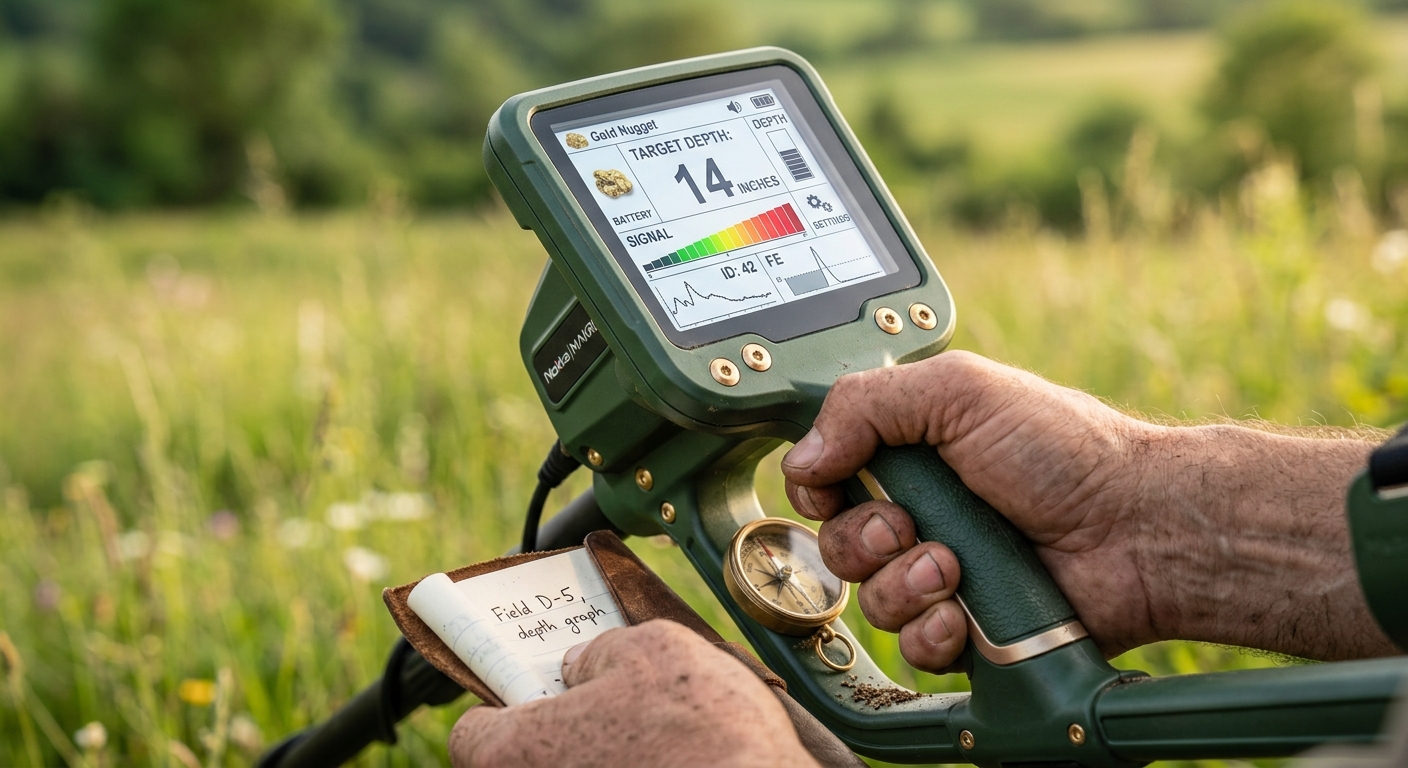
Learning how to use a gold detector effectively is what separates lucky finds from consistent success. Operating a gold detector is an exciting way to uncover nuggets, coins and lost relics, but the best device in the world will not perform if it is set up or swung incorrectly. Here are ten practical tips to get the best results from your gold detector in the field.
Set Up Your Gold Detector Correctly
1. Configure the Right Settings
Every gold detector comes with settings for ground conditions and target types. Learn how sensitivity, threshold and ground balance work. Start with the factory settings, then raise sensitivity step by step until the detector becomes noisy, and back off slightly.
2. Ground Balance Often
Gold is often found in highly mineralized soil. Ground balancing tells your gold detector to ignore the minerals so that small targets stand out. Re-balance whenever the ground changes – for example from a dry slope to a wet creek bed.
3. Apply Different Search Modes
Switch between All-Metal and Discrimination modes based on how much trash is in the area. In gold country, many prospectors dig every signal, because small nuggets can produce signals similar to iron.
Search Technique for Better Gold Detector Results
4. Swing Low and Slow
Keep the search coil parallel to and as close to the ground as possible, and overlap each sweep by about half the coil width. A coil raised just a few centimetres can lose a significant part of its depth.
5. Learn Your Device’s Signals
Each machine emits audio tones, vibrations or Target IDs over metal. Bury test targets – a small gold item, a nail, a coin – in your garden and learn how each one sounds at different depths.
6. Use a Pinpointer
A pinpointer speeds up recovery and reduces damage to finds. See our pinpointers.
7. Choose the Right Search Coil
A small coil finds tiny nuggets and separates targets in trashy ground; a large coil covers more area and goes deeper on bigger targets. Read which search coil you should use.
Where to Use Your Gold Detector
8. Target Specific Zones
Rather than searching randomly, focus on areas with known gold history or historical activity – old mining areas, river bends, footpaths and settlements. See our guide to the best places for gold prospecting.
9. Do Your Research and Follow the Law
Before digging, research local history, geology and the rules for metal detecting where you live. Geological surveys such as the USGS publish maps and reports that help you understand where gold occurs. Always get permission from landowners.
10. Practice Makes Perfect
Mastering a gold detector takes practice and patience. The more hours you spend with your device, the faster you will recognise good signals and the more gold you will find.
Choosing the Right Gold Detector
Technique matters, but so does the tool. VLF detectors are great for small gold near the surface, while pulse induction detectors such as the Minelab GPZ 8000 reach deeper in mineralized ground. Browse our gold and metal detectors or read how to choose the right gold detector.
Gold Detector FAQ
What is the best setting for a gold detector?
There is no single best setting. Start with factory settings, ground balance, then raise sensitivity until the detector becomes slightly noisy and reduce it a little.
How deep can a gold detector find gold?
Depth depends on the size of the gold, the soil and the technology. Small nuggets are usually found close to the surface, while larger targets can be detected deeper with PI detectors.
Do I need a pinpointer?
A pinpointer is not essential, but it saves time and protects your finds.
Conclusion
To use a gold detector effectively, set it up correctly, ground balance often, swing low and slow, learn your signals and search in the right places. Combine good technique with the right equipment and practice, and your chances of finding gold rise dramatically.