

Blog
How to Choose the Right Gold Detector: A Comprehensive Guide
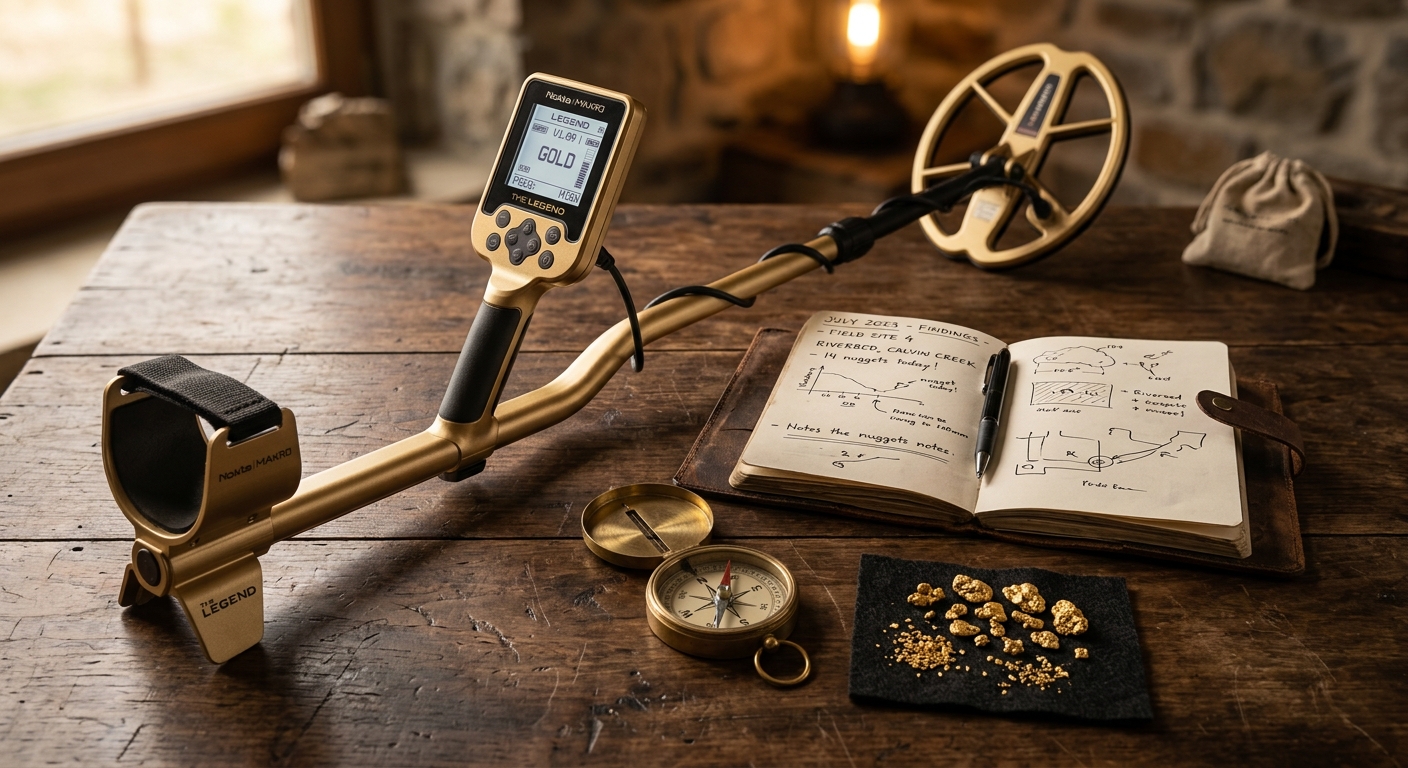
If you want to find gold, the first step is to choose the right gold detector. There are many technologies, brands and price levels, and the wrong choice can mean missed nuggets and wasted money. This comprehensive guide explains how to choose the right gold detector step by step – from detection technology and budget to features, reviews and training.
Step 1: Understand the Types of Gold Detectors
Before you choose the right gold detector, understand how the main technologies work:
- VLF (Very Low Frequency): affordable, light and sensitive to small gold near the surface. Great for beginners. See our VLF detectors.
- Pulse Induction (PI): ignores heavy ground mineralization and reaches deeper – the choice of serious prospectors. See our PI detectors.
- 3D imaging and long-range systems: professional tools for deep targets, treasures and voids. See our 3D imaging systems.
- Multi-system detectors: combine several technologies in one device for maximum flexibility – see multi-system detectors.
For background on the technology, see how metal detectors work.
Step 2: Define What and Where You Will Search
Small nuggets in shallow ground need a sensitive high-frequency VLF or a PI detector with a small coil. Deep nuggets in mineralized goldfields need PI technology. Buried treasures and caches at greater depth call for imaging or long-range systems. Read our guide to the best places for gold prospecting.
Step 3: Determine Your Budget
Gold detector prices vary significantly. Set a realistic budget that includes accessories such as a pinpointer, headphones and a coil cover. Our metal detector pricing guide explains what drives the cost.
Step 4: Look for Trusted Brands and Authorized Sellers
Reputable brands offer reliable performance, software updates and spare parts. Buy from an authorized dealer to receive genuine devices and the official warranty – see our authorized dealers.
Step 5: Evaluate Technical Features
- Maximum detection depth and sensitivity to small targets
- Automatic and manual ground balance
- Noise cancellation and interference handling
- Waterproof rating for creeks and rivers
- Weight and ergonomics for long sessions
- Available search coils – read which search coil to use
Step 6: Read Reviews and User Feedback
Hands-on reviews from other detectorists reveal how a device performs in real conditions – in hot ground, wet sand or trashy sites. Look for reviews from users who search in conditions similar to yours.
Step 7: Invest in Training and Learning
Even the best gold detector needs a skilled operator. Learn the manual, practise on test targets and read our tips on how to use a gold detector effectively.
Popular Gold Detectors at GDG Detectors
Examples range from professional PI machines like the Minelab GPZ 7000 to long-range devices such as the Gold Hunter Smart Detector. Browse all gold, metal and caves detectors.
Gold Detector Buying FAQ
What is the best gold detector for beginners?
A light, easy-to-use VLF gold detector is usually the best start. It is affordable and finds small gold near the surface.
VLF or Pulse Induction – which should I choose?
Choose VLF for small, shallow gold and mild ground, and Pulse Induction for deeper gold in heavily mineralized soil.
Where should I buy a gold detector?
Buy from an authorized dealer to receive genuine equipment, the official warranty and support.
Conclusion
To choose the right gold detector, match the technology to your targets and ground, set a realistic budget, buy a trusted brand from an authorized seller and invest time in learning your device. Follow these seven steps and you will be well equipped for your gold-hunting adventure.