

Blog
Metal Detector Pricing Guide: What Factors Drive the Cost?
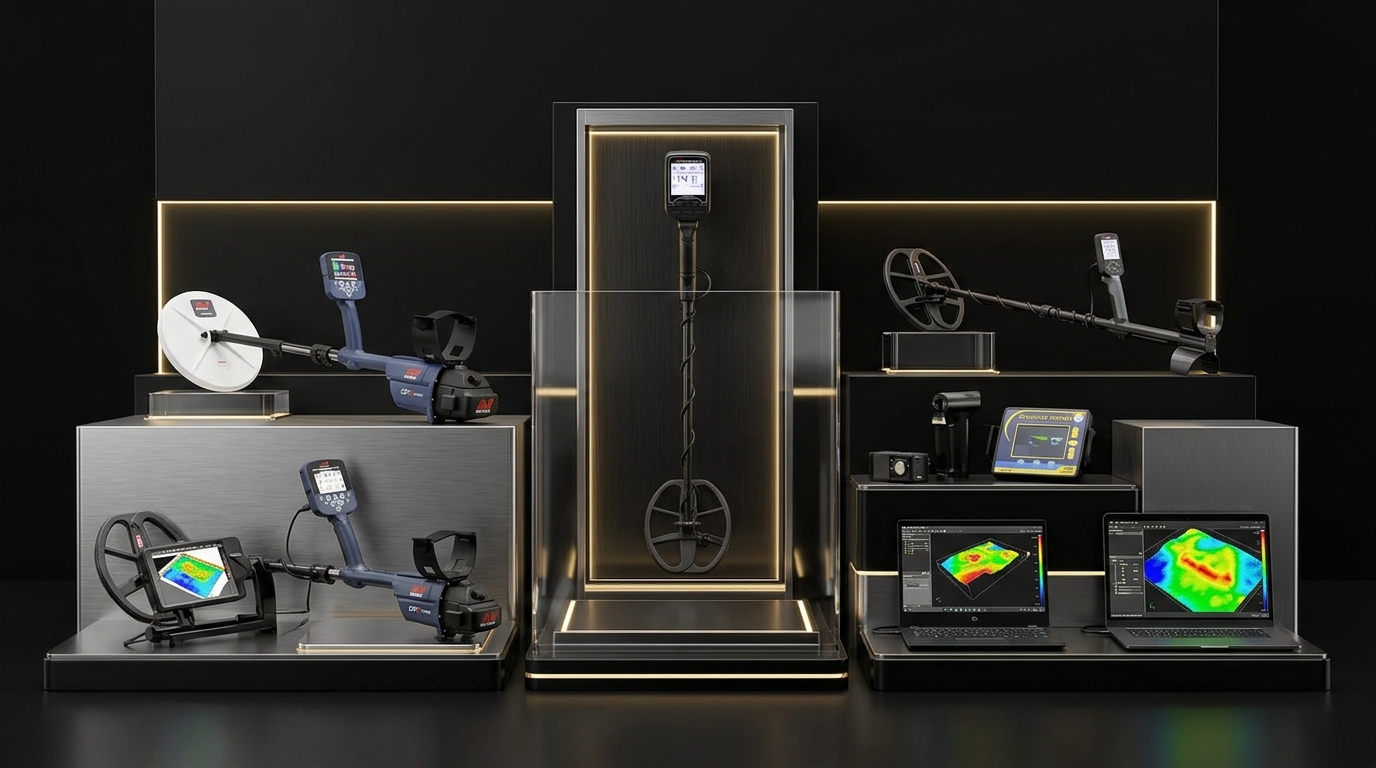
Metal detector pricing can be confusing: two devices that look similar may differ in price many times over. The difference is rarely the brand name alone – it comes from the search technology inside, the depth the detector can reach, its build quality and the accessories in the box. This metal detector pricing guide explains the six key factors that drive the cost, so you can compare devices with confidence and invest in the right one.
Metal Detector Pricing: The 6 Key Cost Factors
1. Search Technology
The core technology is the single biggest price driver. Entry-level detectors use VLF (Very Low Frequency) technology, which is affordable and excellent for coins, relics and jewellery. Pulse Induction (PI) detectors cost more because they ignore heavy ground mineralization and reach greater depth for gold nuggets. At the top end, 3D ground imaging systems and multi-system devices combine several sensors and software, which drives up retail prices. Learn more about the technologies on Wikipedia’s metal detector overview.
2. Maximum Depth Range
Target depth capabilities heavily influence cost. Basic VLF detectors that target shallow depths of 1–2 meters are far more affordable than long-range scanners or deep-seeking 3D ground imaging systems that penetrate much deeper. If you only hunt coins in parks, you do not need to pay for extreme depth.
3. Single, Multi-Frequency or Multi-System
Multi-frequency detectors transmit several frequencies at once and adapt better to wet sand, salt water and changing soil. Multi-system detectors go further and combine different detection methods in one device. Both add engineering and software cost compared with single-frequency machines.
4. Brand Reputation and Origin
Devices manufactured in countries renowned for high precision – like Germany, Australia or the USA – tend to carry premium price points that reflect build quality, advanced engineering, testing and extended warranties.
5. Technical Features
Waterproof housings, wireless audio, GPS, Target ID displays, advanced discrimination algorithms and adjustable ground balance all add value – and cost. Decide which features you will really use before paying for them.
6. Accessories and Warranty
Extra search coils, headphones, pinpointers, carrying bags and spare batteries can make a bundle more expensive but cheaper overall than buying each item separately. A longer warranty also has real value: a repair outside warranty can cost a large share of the original price.
Metal Detector Pricing by Category
- Beginner VLF detectors: the most affordable option for coins, relics and jewellery – see our VLF detectors.
- Gold prospecting detectors: PI and high-frequency machines such as the Minelab GPZ 7000 are priced for serious prospectors.
- 3D imaging and long-range systems: professional tools for deep targets and voids – explore our 3D imaging systems and long-range systems.
How to Get the Best Value
- Define your main target – coins, gold nuggets, relics or deep treasures – before you compare prices.
- Buy from an authorized dealer to receive the official warranty and genuine devices. See our authorized dealers.
- Factor in accessories you will need, such as a pinpointer and coil cover.
- Read our guide on how to choose the right gold detector.
Metal Detector Pricing FAQ
Is a more expensive metal detector always better?
No. A more expensive detector is only better if you need its technology. A beginner hunting coins in parks will be happier with a simple VLF detector than with a complex imaging system.
Why do gold detectors cost more than coin detectors?
Gold detectors must find very small targets in highly mineralized ground, which requires higher frequencies, pulse induction technology or advanced ground balancing – all of which increase metal detector pricing.
Should I buy a used metal detector?
A used detector can save money, but you may lose the warranty and support. Check the device carefully and buy from a trusted source.
Conclusion
Metal detector pricing is driven by technology, depth, frequency, origin, features and accessories. A beginner does not need a professional imaging system, and a gold prospector should not rely on a basic coin detector. Match the device to your goals, buy from an authorized source and you will get the best value for every euro you invest.